On this International Women’s Day 2026, we unite under the global theme “Rights. Justice. Action. for All Women and Girls.” Development is a journey toward dignity, and that journey is only complete when women’s rights are equally achieved and every woman and girl lives free from fear.
The foundation of equality is the recognition of inherent rights. The Maldives has shown commendable leadership through its election to the United Nations Commission on the Status of Women (2026–2030), ratification of eight of the nine core international human rights treaties, and establishment of progressive legislation, including the Gender Equality Act (2016) and Domestic Violence Prevention Act (2012). Women’s representation in local councils has surged from 6% in 2017 to nearly 40% today, and health outcomes, including maternal mortality, have improved significantly.
Yet, the path to parity remains steep. Sustainable Development Goal 5 on Gender Equality is one of only two SDGs where the Maldives has seen limited progress. Globally, nearly 1 in 3 women—an estimated 840 million—experience intimate partner or sexual violence, and every ten minutes, a woman or girl is killed by a family member or partner. In the Maldives, 1 in 3 women aged 15–49 experience some form of violence, and 1 in 4 have faced violence from an intimate partner. Female labor force participation has remained stagnant for decades, highlighting persistent economic barriers. To close these gaps, we must move beyond awareness to systemic change.
1. Rights: Strengthening the Legal Shield
Rights are the bedrock of dignity. The Maldives has ratified core human rights treaties and aligned national frameworks with Convention on the Elimination of Discrimination Against Women (CEDAW). Yet, inconsistent application and gaps in legislation hinder justice. Laws must be harmonized: Family Law, the Child Rights Protection Act, the Domestic Violence Prevention Act, and the Penal Code should work in unison to criminalize all forms of violence and allow justice to be pursued ex officio, removing the burden from survivors.
On gender equality, the Maldives has made notable progress in advancing women’s representation, particularly in public life. Women’s representation has grown in local councils, the judiciary, and diplomatic service, but strategic leadership roles remain male-dominated. Parliament continues to see low representation of women. Meaningful equality requires women’s voices in decision-making at the highest levels.
2. Justice: Breaking the Culture of Silence
Justice bridges the gap between rights on paper and rights in practice. Only 3–5% of reported cases of violence reach courts due to systemic and social barriers. A survivor-centered approach is essential—prioritizing prevention, safety, confidentiality, and child-friendly reporting systems. Coordinated services can help children and adolescents seek help early, breaking intergenerational cycles of violence.
3. Action: Investing in Women and Girls
True action is an investment in the nation’s future. Safe workplaces, equal learning opportunities, and support for women’s economic and social participation multiply the country’s potential. As the Maldives undergoes demographic transition, care responsibilities disproportionately fall on women. Addressing this is critical for their empowerment and full participation.
Every Maldivian must take a stand:
- In the Family: Protect dignity at home; raise children with respect.
- In the Community: Include women in decision-making.
- In the Workplace: Ensure harassment-free environments and flexible policies.
- In the Economy: Dismantle barriers to female labor participation; recognize unpaid care work.
- In Health Systems: Ensure access to services with autonomy and informed consent.
- In Decision-Making: Guarantee women a seat at the table.
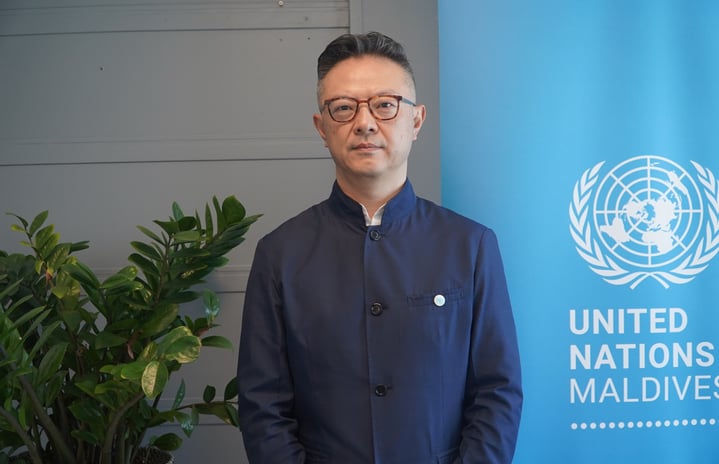
The United Nations in the Maldives remains a steadfast partner, supporting the Government, civil society, and judiciary to align laws with universal values of justice and equity.
To the women and girls of the Maldives: Your rights are the foundation of our work. Today, we renew our pledge to ensure those rights become power. Let us take bold action now to ensure no woman is left behind in her pursuit of justice.